
AC Leak Water Damage Anaheim
AC Leak Cleanup, Moisture Detection and Structural Drying in Anaheim
AC leak water damage in Anaheim can affect ceilings, insulation, drywall, framing, cabinetry, flooring systems, and other concealed building materials before visible damage appears. 24/7 Restoration provides moisture detection, water cleanup, structural drying, monitoring, and repair planning for homes, condominiums, apartments, HOA-managed properties, hotels, offices, retail spaces, restaurants, and other commercial buildings.
Anaheim properties may have HVAC equipment installed in attics, ceiling cavities, mechanical closets, hallway utility areas, garages, or above finished living spaces. When condensate lines clog, drain pans overflow, evaporator coils freeze, or drainage components fail, moisture can spread through surrounding materials before the leak is discovered.
The HVAC equipment, condensate line, drain pan, or other mechanical source should be evaluated and corrected by a qualified HVAC professional. 24/7 Restoration addresses the resulting water intrusion, concealed moisture, affected building materials, structural drying needs, and restoration planning.
If the leak has affected multiple rooms, flooring systems, walls, ceilings, or concealed structural areas, visit our Anaheim water damage restoration page for broader mitigation, moisture detection, drying, and restoration information.
Call (949) 888-8409 for a free AC leak water damage inspection in Anaheim.
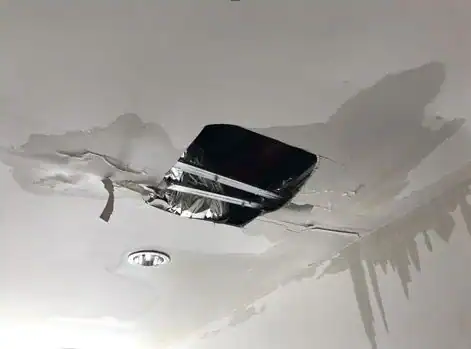
Why AC Leak Water Damage Happens in Anaheim Properties
HVAC-related water damage often begins before staining, bubbling paint, musty odors, or sagging ceiling materials become visible. Air-conditioning systems produce condensation during normal operation, and when drainage components become clogged, damaged, disconnected, or overwhelmed, water may collect above ceilings, inside attics, around mechanical closets, and within other concealed areas.
Common HVAC Moisture Sources
- Clogged condensate drain lines
- Overflowing, rusted, or cracked drain pans
- Frozen evaporator coils
- Condensation buildup around ducting or air handlers
- Condensate-pump, float-switch, or drainage-component failures
- Disconnected or damaged drain-line fittings
- Restricted airflow and dirty HVAC components
- Improper drainage from attic or ceiling-mounted equipment
- Leaks inside mechanical closets or hallway utility areas
Because AC leaks frequently affect enclosed areas, moisture can remain trapped inside ceilings, insulation, drywall, framing, cabinetry, and flooring after the visible dripping stops. Professional moisture evaluations may use moisture meters, humidity readings, moisture mapping, and thermal imaging when appropriate to determine how far water may have traveled.
Thermal imaging can identify temperature patterns that warrant additional evaluation, but it does not confirm moisture or mold by itself. Moisture readings and direct inspection are used to verify damp conditions and evaluate surrounding materials.
Water mitigation and structural-drying procedures commonly follow recognized guidance such as the IICRC S500 Standard, depending on the project conditions, materials affected, and category of water involved.
Not Sure How Far the AC Leak Has Spread?
HVAC moisture can travel through ceilings, insulation, drywall, framing, flooring, cabinetry, and adjoining building materials before the full extent of the damage becomes visible. A free inspection can help identify affected areas and determine whether structural drying, material removal, or repairs may be appropriate.
Or call (949) 888-8409.
Signs of AC Leak Water Damage in Anaheim
AC leaks may develop gradually, allowing moisture to affect building materials before the source is identified. Recognizing early warning signs can help property owners arrange moisture detection and structural drying before deterioration spreads into additional areas.
- Water stains near ceiling vents, registers, or recessed lighting
- Peeling paint, bubbling drywall, or sagging ceiling materials
- Musty odors near HVAC closets, hallways, or attic access areas
- Soft or deteriorating drywall below elevated HVAC equipment
- Wet insulation or moisture-affected ceiling framing
- Visible moisture around air handlers, drain pans, or condensate lines
- Dripping from ceiling registers, access panels, or nearby fixtures
- Swollen baseboards or damp flooring near an HVAC closet
- Recurring ceiling stains after the air-conditioning system operates
- Moisture readings indicating concealed saturation beyond the visible area
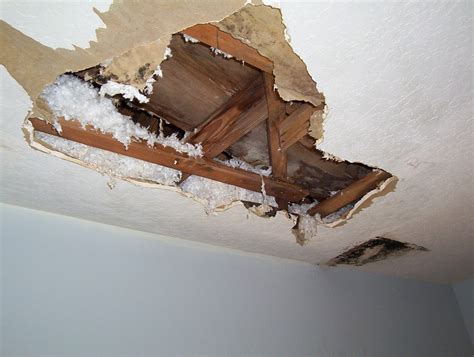
Our AC Leak Water Damage Anaheim Cleanup Process
Every AC leak project is evaluated according to the moisture source, length of exposure, extent of water migration, and whether ceilings, insulation, drywall, flooring, cabinetry, framing, or adjoining areas have been affected.
- Moisture Inspection and HVAC Leak Evaluation
We inspect the affected area, document visible damage, and use moisture-detection equipment to identify concealed saturation around ceilings, insulation, drywall, framing, cabinetry, flooring, and surrounding materials. - Water Extraction and Material Evaluation
Standing water and accessible moisture are removed when present. Affected materials are evaluated to determine whether drying, controlled removal, or repair planning may be necessary. - Moisture Mapping
Moisture meters, thermal imaging when appropriate, and humidity readings help document how far water may have traveled from the HVAC source into adjoining materials or enclosed structural areas. - Structural Drying and Dehumidification
Commercial air movers and dehumidification equipment are placed according to moisture readings, affected materials, airflow requirements, and property conditions. - Monitoring and Drying Verification
Drying conditions and moisture readings are monitored and documented to track progress and determine when affected materials have reached appropriate drying goals. - Cleaning, Repair Planning and Reconstruction
When drywall, insulation, paint, trim, cabinetry, flooring, or other finishes require removal or replacement, our team can help coordinate reconstruction after mitigation and drying are completed.
Mold Concerns After AC Leak Water Damage
One concern with HVAC-related water damage is moisture remaining inside ceiling cavities, insulation, attic spaces, wall assemblies, flooring systems, and mechanical closets. When moisture-sensitive materials remain damp, musty odors, visible growth, or suspected microbial contamination may develop.
Prompt moisture detection and structural drying can help limit prolonged damp conditions, but mold concerns should be evaluated according to the materials affected, length of exposure, and conditions found during inspection. If visible growth, recurring odors, or suspected contamination are already present, visit our Anaheim mold services page for information about moisture inspection, containment, cleanup, removal, remediation, and structural drying.
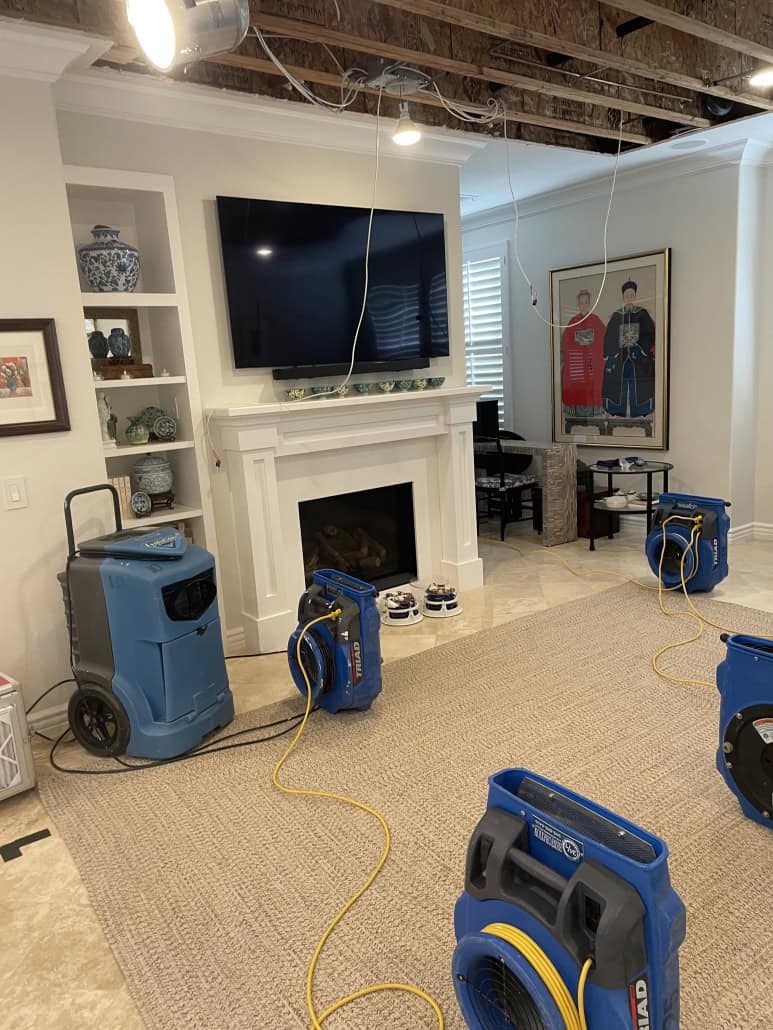
When AC Leak Damage Becomes an Emergency Water Cleanup Situation
Some AC leak situations involve active dripping, saturated insulation, damaged ceiling materials, spreading moisture, or water affecting multiple areas of the property. Emergency mitigation may be appropriate when water is actively moving through ceilings, walls, flooring, cabinetry, or adjoining rooms.
If your property currently has active water intrusion or extensive moisture from an HVAC failure, visit our Emergency Water Cleanup Anaheim page for information about water extraction, moisture mapping, structural drying, monitoring, and mitigation.
Repair and Reconstruction After AC Leak Water Damage
Depending on the extent of the damage, repairs may be needed after mitigation and structural drying are completed. Common repair needs include drywall replacement, insulation replacement, ceiling texture matching, painting, baseboard and trim replacement, cabinetry repairs, and flooring repairs when moisture affects finished materials.
As part of Epic Interiors & Construction Inc., 24/7 Restoration can assist with repair planning and reconstruction when damaged materials require removal or replacement. For more information about post-mitigation repairs, visit our Anaheim water damage repair services page.
Who We Help With AC Leak Water Damage in Anaheim
- Homeowners with leaking attic or ceiling-mounted HVAC systems
- Condominium owners with ceiling stains or mechanical-closet moisture
- Apartment communities, property managers, and landlords
- HOA-managed communities
- Hotels and hospitality properties
- Commercial offices and retail spaces
- Restaurants and mixed-use properties
- Real estate and escrow-related moisture concerns
24/7 Restoration provides AC leak moisture inspections, water mitigation, structural drying, documentation, and repair planning throughout Anaheim. Each project is evaluated according to the HVAC moisture source, materials affected, extent of water migration, and drying conditions present.
Frequently Asked Questions About AC Leak Water Damage in Anaheim
Property owners often have questions about AC leak water damage in Anaheim, concealed ceiling moisture, wet insulation, structural drying, mold concerns, and what steps may be appropriate after an HVAC system leaks.
The answers depend on the source, how long affected materials remained wet, which materials were exposed, and how far moisture traveled beyond the visible area. The questions below address common concerns about condensate-drain failures, concealed water damage, moisture detection, mold growth, and what property owners should do after discovering water near an air-conditioning system.
Anaheim Services & Specialty’s
Select to learn more


+ Can an AC leak cause mold growth in Anaheim?
Yes. When moisture from an AC leak remains trapped inside drywall, insulation, ceiling cavities, wall assemblies, or other building materials, conditions can become favorable for mold growth. Prompt moisture detection, structural drying, and mitigation procedures help reduce the likelihood of microbial growth developing after an HVAC-related water intrusion event.
+ Why is my AC leaking water into the ceiling?
Air conditioning systems commonly leak water due to clogged condensate drain lines, damaged drain pans, frozen evaporator coils, disconnected drain lines, condensate pump failures, or excessive condensation buildup. When these components fail, water may overflow into surrounding ceilings, insulation, drywall, and structural materials before the problem becomes visible.
+ Should wet insulation be removed after an AC leak?
The answer depends on the type of insulation, the extent of the moisture exposure, how long the materials remained wet, and overall drying conditions. Professional inspections help determine whether insulation can be successfully dried or whether removal and replacement may be necessary as part of the restoration process.
+ How do professionals find hidden moisture from AC leaks?
Professionals commonly utilize thermal imaging cameras, moisture meters, humidity monitoring equipment, moisture mapping procedures, and visual inspections to identify concealed moisture conditions. These tools help locate affected materials behind walls, above ceilings, within insulation, and inside structural cavities where moisture may not be visible from the surface.
Schedule a Free AC Leak Inspection in Anaheim
AC leaks can affect insulation, drywall, ceiling materials, framing, cabinetry, flooring, and other moisture-sensitive materials. Because HVAC-related water often develops inside attics, ceiling cavities, mechanical closets, utility areas, and concealed structural spaces, moisture may spread beyond the visible staining before the source is discovered.
24/7 Restoration provides AC leak moisture inspections, water cleanup, structural drying, mitigation, and repair planning for homes, condominiums, apartments, HOA-managed properties, hotels, offices, retail spaces, restaurants, and other commercial buildings throughout Anaheim.
- Free moisture inspection and affected-area assessment
- Professional moisture meters and thermal imaging when appropriate
- Evaluation of ceilings, drywall, insulation, flooring, and adjoining areas
- Water extraction and controlled material removal when necessary
- Structural drying, dehumidification, and moisture monitoring
- Repair and reconstruction support after mitigation
Whether the issue involves a clogged condensate line, overflowing drain pan, frozen evaporator coil, condensate-pump failure, or attic-mounted HVAC equipment, our team can evaluate the resulting water intrusion and explain which drying, cleanup, or repair procedures may be appropriate. The mechanical source should be inspected and corrected by a qualified HVAC professional.
Call (949) 888-8409 to speak with our team.